
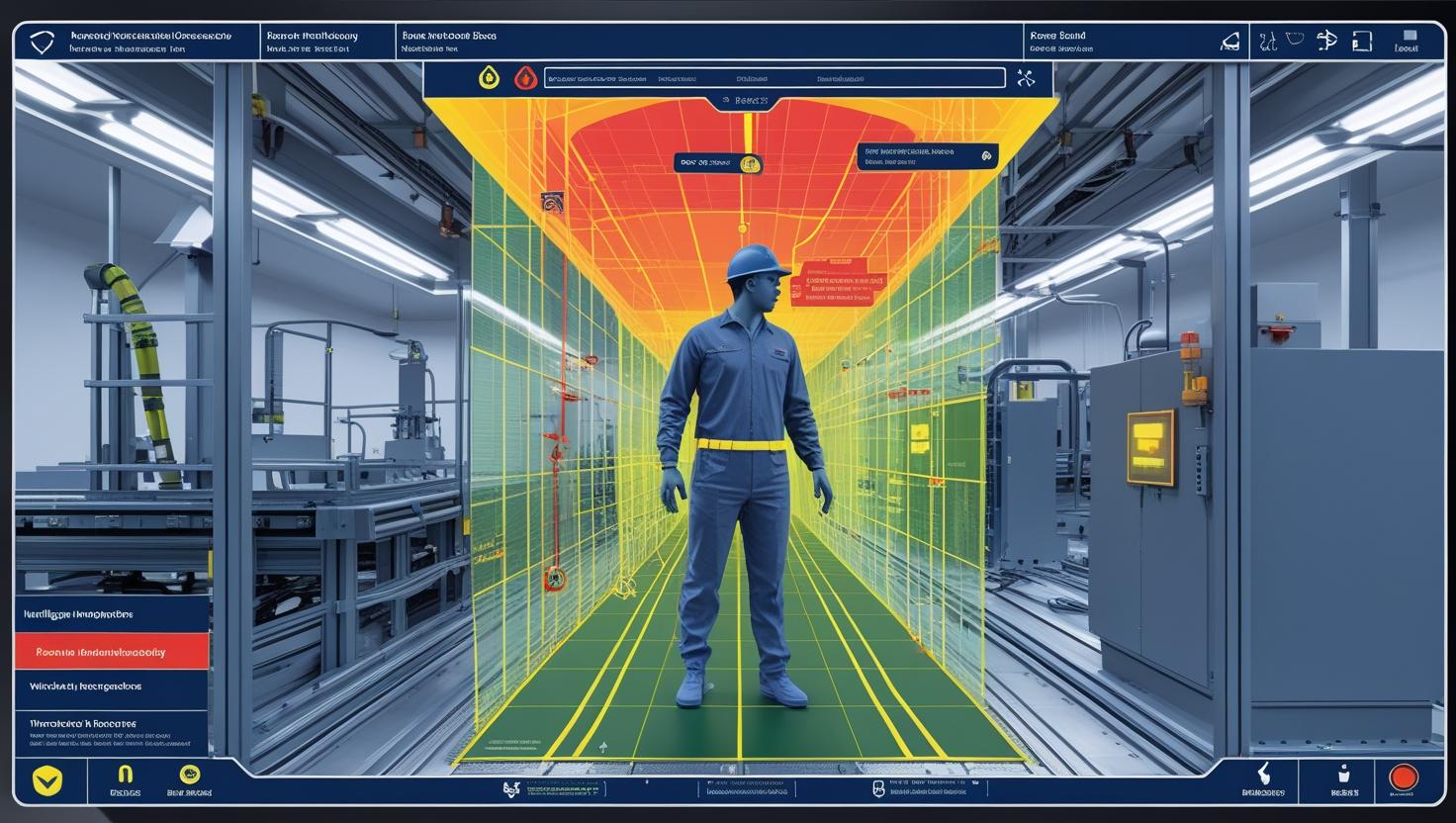

Introduction: The International Sampler Comparison Group (ISCG) is dedicated to advancing the science of workplace aerosol measurements. While traditional methods provide crucial data, they often offer a snapshot in time, leading to reactive responses to exposure incidents. What if we could predict potential hazards before they impact workers? This blog post introduces an ambitious collaborative project between Universiti Sains Malaysia (USM) and ISCG, aiming to revolutionize occupational health and safety through real-time predictive analytics and intelligent intervention guidance.
The Reactive Challenge in Occupational Hygiene: Current occupational exposure assessment often involves periodic sampling, which can miss transient exposure peaks or fail to provide immediate insights into changing conditions. This reactive approach means interventions are often implemented after workers have already been exposed, limiting truly preventive action. The need for continuous, real-time data is recognized, but translating this data into actionable, predictive insights remains a frontier.
Our Vision: Predictive Safety with IoT and Machine Learning: Our project proposes a transformative approach: building an intelligent system that not only monitors but also predicts worker exposure risk and provides automated, actionable guidance. This is achieved by combining:
- Real-time IoT Sensor Networks: We will deploy networks of affordable, robust IoT sensors capable of continuously monitoring key environmental parameters related to aerosol exposure (e.g., fine particulate matter, volatile organic compounds, temperature, humidity) in dynamic workplace environments. These sensors provide the constant stream of data needed for predictive modeling.
- Advanced Machine Learning for Risk Forecasting: Our core innovation lies in developing sophisticated machine learning (ML) models. These models will analyze the continuous sensor data in conjunction with contextual information (e.g., work schedules, specific tasks being performed, process parameters, ventilation status). This allows the ML models to:
- Predict the likelihood of Occupational Exposure Limit (OEL) exceedances: Instead of just detecting an exceedance, the system will forecast its probability, giving safety managers a crucial window for intervention.
- Identify High-Risk Conditions: Pinpoint specific work activities, equipment malfunctions, or environmental changes that are statistically likely to lead to elevated exposures.
- Forecast Exposure Trends: Provide short-to-medium term predictions of exposure levels, enabling proactive planning and resource allocation.
- Intelligent Intervention Guidance: Moving beyond simple alerts, the system will be designed to provide context-specific, actionable recommendations. For example, if a rise in predicted particulate exposure is detected in a specific area, the system might suggest: “Increase local exhaust ventilation in Zone A,” “Workers in Area B should don respirators immediately,” or “Adjust process parameters for Machine C to reduce dust generation.”
The Project Journey: Building a Proactive Future:
- Phase 1: Sensor Deployment & Data Collection: Establish real-time IoT sensor networks in selected pilot workplace environments, focusing on collecting continuous, high-fidelity environmental data.
- Phase 2: Predictive Model Development: Develop and train advanced machine learning models using the collected sensor data and contextual information. This phase will involve rigorous feature engineering, model selection, and optimization to ensure high predictive accuracy.
- Phase 3: Intelligent Alerting & Guidance System Design: Design and develop the logic for the intelligent alerting system and the framework for generating actionable intervention recommendations based on the ML predictions.
- Phase 4: Pilot Deployment & Real-World Validation: Deploy the complete predictive system in the selected workplaces. We will conduct rigorous field validation, comparing the system’s predictions and the effectiveness of its guidance against traditional sampling methods and actual worker exposure outcomes. This phase will gather crucial evidence of the system’s impact on worker safety.
- Phase 5: Contribution to New Safety Frameworks: The insights and validated methodologies from this project will be shared through publications and workshops, aiming to contribute directly to ISCG’s efforts in developing new guidelines and best practices for proactive occupational exposure management.
Expected Impact: A Safer, Smarter Workplace: This project is poised to deliver:
- Enhanced Worker Protection: By enabling proactive interventions, we can prevent over-exposure, leading to significant improvements in worker health and safety outcomes.
- Optimized Safety Management: Industries can more efficiently allocate resources for exposure control by precisely identifying critical periods and sources of risk.
- Data-Driven Decision Making: Transforms raw environmental data into intelligent, actionable insights for safety managers.
- Global Scalability: The use of affordable IoT sensors makes this advanced predictive capability accessible to a wider range of industries worldwide, including SMEs.
- Leadership in Innovation: This collaboration will position ISCG and USM at the forefront of integrating AI-driven predictive analytics into occupational hygiene.
We are incredibly enthusiastic about the potential of this collaboration to set new benchmarks in occupational health and safety. We invite you to follow our journey as we build the future of proactive workplace safety!